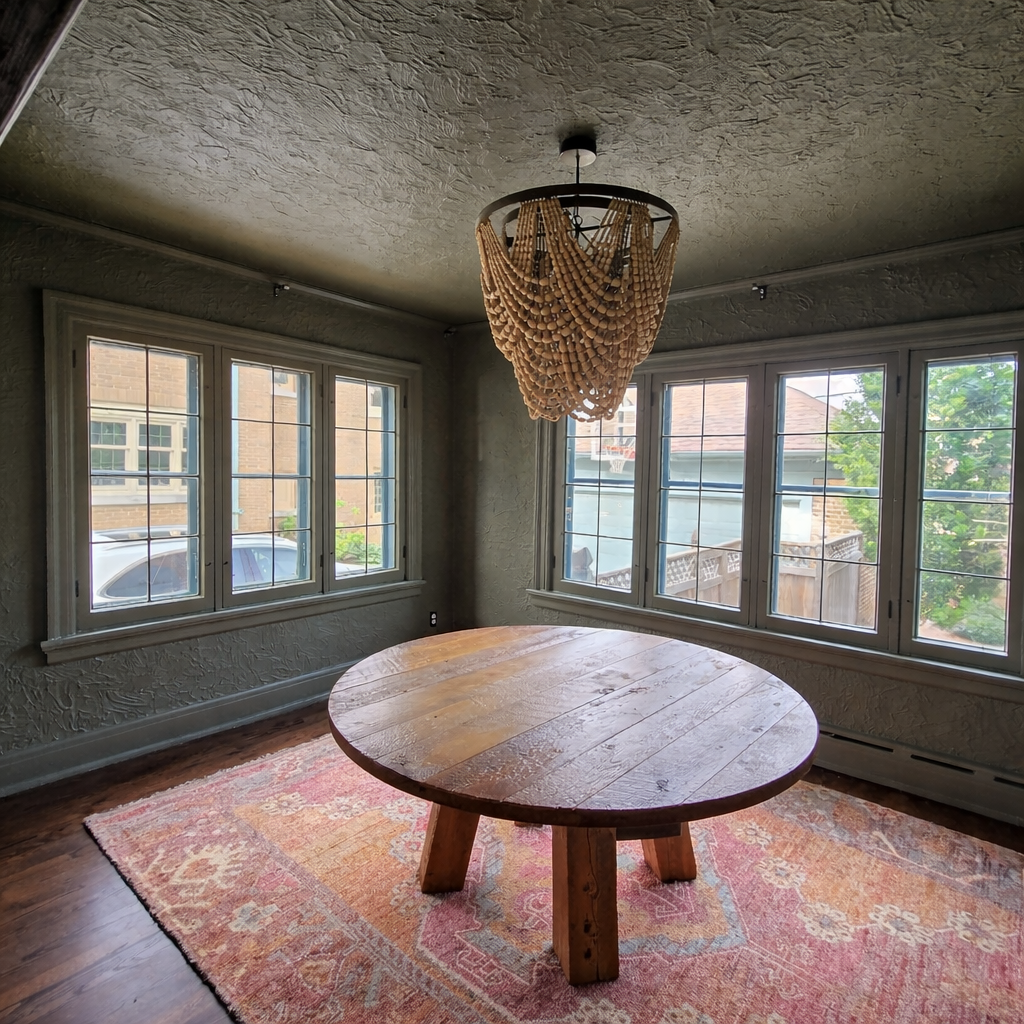
A More Intentional Approach to Walls, Trim, and Interior Color
Interior painting is often treated as a simple wall color decision. Many homeowners choose a paint color, leave the trim white, and assume the room is finished. In some spaces, that approach can work. In a more high end interior, the paint plan needs to be more intentional.
The way walls, trim, doors, ceilings, and built in features work together has a major impact on how a room feels. A professional interior painting project should not only cover surfaces with color. It should help the space feel cleaner, more balanced, and more complete.
Paint can make a room feel calm, dramatic, warm, formal, modern, traditional, or custom. The difference often comes down to details that are easy to overlook.
Why White Trim Is Not Always the Best Choice
White trim has been the standard choice in many homes for years. It can create contrast, brighten a room, and give walls a clean edge. However, white trim is not always the best choice for every interior.
In some rooms, bright white trim can make the space feel broken up. The walls become one visual element, the trim becomes another, and the doors become another. Instead of feeling connected, the room can feel busy or unfinished.
This is especially true in homes with detailed trim, older woodwork, paneled doors, built in shelving, or rooms with several openings. When every trim line is bright white, the eye notices every edge. That can work in some designs, but it can also take attention away from the overall feel of the room.
High end interior painting is about making the right choice for the space, not automatically choosing white because it is common.
What Color Drenching Means
Color drenching is when multiple surfaces in a room are painted in the same color or closely related colors. This can include the walls, trim, doors, ceiling, crown molding, baseboards, window casing, and built in features.
The goal is not simply to make everything match. The goal is to create a room that feels intentional from every angle.
A color drenched room can feel softer because there are fewer sharp breaks between surfaces. It can also feel more dramatic when a deeper color is used. In the right space, this approach can make a room feel custom, finished, and more expensive.
Color drenching works especially well in offices, dining rooms, powder rooms, bedrooms, reading rooms, and rooms with detailed trim. It can also be used in older Milwaukee homes where the trim and doors play a large role in the character of the space.
How Painted Trim Changes the Room
Painted trim has a major effect on the final appearance of an interior. Trim frames the walls, doors, windows, and transitions between rooms. If the trim looks rough, uneven, chipped, or poorly painted, the entire room can feel lower quality.
When trim is properly prepared and painted, it gives the room a sharper, more finished appearance. Smooth baseboards, clean door casing, painted doors, and consistent sheen can make a room feel more refined without changing the layout.
Painting trim in the same color as the walls can create a calm, seamless look. Painting trim slightly darker or lighter than the walls can create subtle contrast. Painted doors and trim in a deeper color can add weight and character.
The right trim color depends on the room, the light, the flooring, the wall color, and the style of the home.
Sheen Selection Matters
One of the most important parts of high end interior painting is sheen selection. Two rooms can use the same color but look completely different depending on the finish.
Walls are often painted in matte, low sheen, or eggshell finishes. These finishes help reduce glare and create a softer appearance. Ceilings are usually painted flat to hide imperfections and prevent unwanted reflection.
Trim, doors, and built in features are often painted in satin or semi gloss because those surfaces need more durability and a smoother feel. These finishes also create a subtle difference between surfaces, even when the same color is used throughout the room.
This is where a color drenched room becomes more refined. The color may stay consistent, but the sheen changes how each surface responds to light. The result feels layered instead of flat.
Where This Look Works Best
Painted trim and color drenched interiors work best when the room has a clear purpose. A dining room can feel more formal. An office can feel richer and more focused. A bedroom can feel calmer. A powder room can feel more designed and memorable.
This approach also works well in rooms with architectural details. Crown molding, chair rail, picture frame molding, paneled doors, wainscoting, and built in shelving can all look more intentional when the paint plan is designed around them.
In some homes, color drenching can make small rooms feel more complete. Instead of highlighting every corner and edge, the color wraps the space and creates a more unified feel.
It is not the right choice for every room, but when it fits the space, it can make a major difference.
Where High End Interior Painting Can Go Wrong
A high end paint design only works if the execution is clean. Darker colors, painted trim, and color drenched rooms can expose poor preparation very quickly.
Rough trim, open caulk lines, nail holes, uneven sanding, brush marks, roller texture, and bad cut lines become more noticeable when the room is designed around the paint finish.
This is why preparation matters so much. Before painting trim or doors, the surface should be cleaned, sanded, repaired, caulked, primed when needed, and painted with the correct product. Walls should also be inspected for dents, nail holes, cracks, and visible drywall issues before finish paint is applied.
The better the design, the more important the preparation becomes.
Why Product Choice Matters
Not every paint is made for every surface. Wall paint, ceiling paint, trim enamel, bonding primer, and cabinet coatings all serve different purposes.
Trim and doors need a paint that can handle contact, cleaning, and daily use. Walls need a finish that looks smooth and consistent across large surfaces. Ceilings need a flat finish that hides flaws and keeps attention off minor imperfections.
Using the wrong product can lead to poor adhesion, flashing, uneven sheen, brush marks, or a finish that does not hold up well over time.
Professional interior painting is not just about color. It is also about choosing the right coating system for each surface.
The Role of Lighting
Lighting has a major effect on how painted surfaces look. Natural light, recessed lights, lamps, and shadows can all change the appearance of a color and sheen.
A color that looks soft in one room may look much stronger in another. A satin finish on trim may look clean in indirect light but show every flaw under strong side lighting.
This is why paint colors and finishes should be considered in the actual room before the final decision is made. The direction of the light, the flooring, the furniture, and the surrounding rooms all affect the final result.
A high end interior painting project should account for how the space is actually used and viewed throughout the day.
Why the Details Create the Finished Look
Most homeowners notice the color first, but the details are what make the room feel finished. Clean trim lines, smooth doors, consistent sheen, repaired walls, sharp corners, and proper surface protection all contribute to the final impression.
A room can have an expensive paint color and still look average if the details are rushed. On the other hand, a well prepared and carefully painted room can feel elevated even with a simple color choice.
High end interior painting is less about making a room look flashy and more about making every surface feel intentional.
The Value of a More Thoughtful Paint Plan
A strong interior paint plan considers the entire room, not just the walls. Trim, doors, ceilings, built in features, sheen, lighting, and preparation all work together to create the finished result.
Color drenching and painted trim are not right for every space, but they can completely change the feel of the right room. When planned and executed correctly, they can make an interior feel more custom, more refined, and more complete.
The best results come from understanding both design and process. A high end finish is not created by color alone. It is created by preparation, product selection, application, and attention to detail across every surface in the room.